Water Sports
Aruba's Coral Reef
Crystal-clear waters, multicolored marine life and a chain of coral reefs hugging the leeward coast make Aruba a popular scuba and snorkeling destination. If this wasn't enough, the island has the added attraction of more than a dozen wrecks including a 400-foot-long freighter to explore - leading some divers to call it the "wreck diving capital of the Caribbean."
Start your underwater exploration with a snorkeling adventure; there are plenty of shallow reefs and sheltered bays along the leeward coast where you'll see a variety of colorful fish. Many visitors make a beeline for the calm waters of the Arashi Underwater Park where the reef lies at a depth of between six and 45 feet and gaudy parrot and angelfish flit between the brain, star and elkhorn corals. Divers will see fish of all sizes ranging from the diminutive sergeant major, squirrelfish, silversides, wrasses and grunts to blue tangs, snappers, yellow tail and groupers. Lobster, shrimp and sea horses hide among the corals and sightings of spotted eagle ray, mantas, barracudas and sea turtles are frequent. If you enjoy snorkeling but are still not quite ready to take that all-important resort course to become a fully-fledged diver, how about Snuba, which is a combination of snorkeling and scuba? You can also try the Sea Trek, a walk along the seabed wearing a special mask that enables you to breathe underwater. You do not need to be an expert swimmer or diver to enjoy either of these activities.
See the reefs without getting wet and show your children the wonders of the underwater world by booking a trip on a glass-bottomed boat, the Seaworld Explorer semi-submarine and the Atlantis Submarine, which takes you down to a depth of 120 feet.
A Day on the Waves

Ready for a day out on the waves, how about a snorkeling trip along the coast, a catamaran cruise to De Palm Island or a pirate adventure on board an authentic 85-foot teak schooner? Your options include half and full-day trips, Happy Hour, sunset and evening cruises.
Kayak Trips
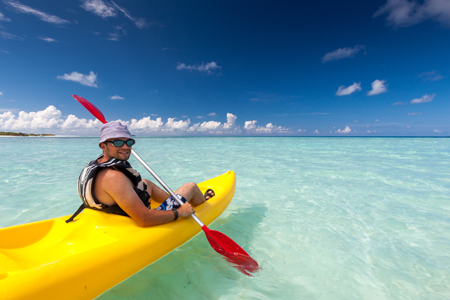
Sign up for a guided kayak trip along the sheltered southern coast and explore the mangrove forest, sea caves and a crystal-clear lagoon that was once a refuge for pirates. You'll stop along the way for a spot of beach and snorkeling time. No previous kayaking experience is required.
Windsurf
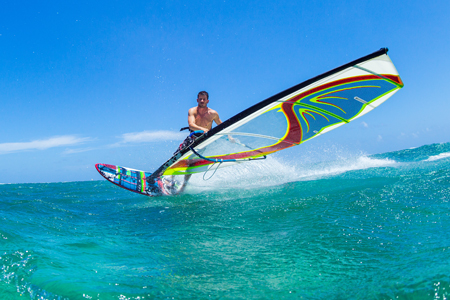
The prevailing trade winds that blow across Aruba at a constant 15 knots cause choppy conditions along the windward shore, making beaches like Boca Grandi unsuitable for swimming and snorkeling but highly desirable for experienced windsurfers, kite boarders and surfers. Indeed, the island has its own windsurfing community and over the past few years, several local windsurfers have triumphed in international tournaments. The island also hosts the annual Hi-Winds Amateur World Challenge Windsurfing competition. If you would like to learn how to windsurf and feel the thrill of coursing through the waves, ask at the Concierge Desk about classes available from local water sports centers. You'll start off on the leeward coast where the breeze is much gentler.
Gone Fishin'
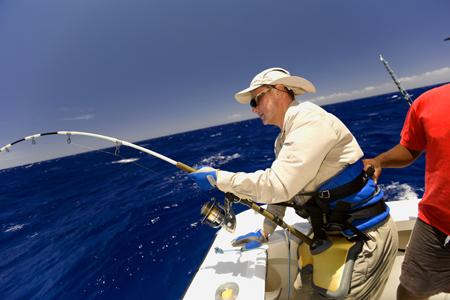
If you are an old hand with a rod and net or you have always wanted to try fishing, the waters around Aruba provide plenty of challenges. Game fish such as sailfish, blue and white marlin, wahoo, tuna, bonito and dorado are plentiful year-round. You can charter a boat for a day or a half-day and the experienced crew will take you right to where the fish are running. Help preserve local fish stocks by adhering to the catch and release policy.